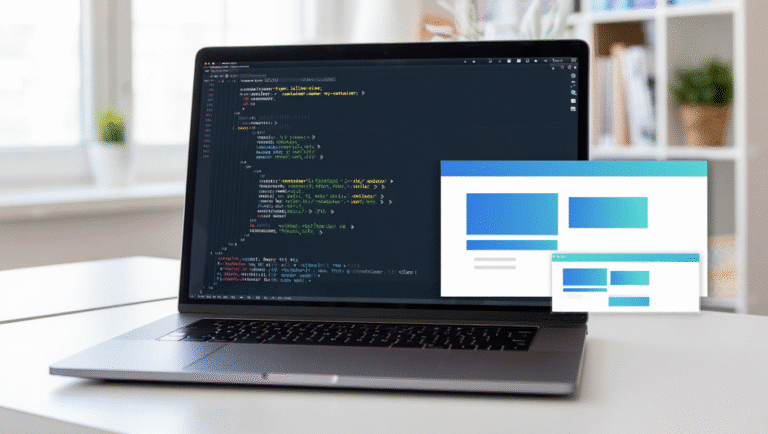
You should redesign your website every 2 to 3 years. This period of time keeps your website up to date, useful, and in line with your company’s goals. However, it goes beyond a set timetable. Sometimes, your website needs a redesign sooner or later based on certain important factors.
In this blog, we will explore why redesigning your website regularly matters, how often to update your web development business site, and how to know if your website truly needs a redesign. We’ll also cover what the 7 C’s of a website are and why they matter.
Why Redesigning Your Website Regularly is Important?
Technology changes fast. Web design trends, user expectations, and SEO (search engine optimization) rules evolve constantly.If your website is dated or functions poorly, users can rapidly abandon it and never return.
For example, a study found that 38% of people will stop engaging with a website if the content or layout is unattractive. In other words, first impressions matter a lot online. A fresh, clean, and modern design helps build trust and keeps visitors interested.
Also, mobile usage is higher than ever. You risk losing a significant percentage of your audience if your website isn’t mobile-friendly. Redesigning your website guarantees that it will work on many screens and devices.
How Do You Know If Your Website Needs a Redesign?
Sometimes, it’s not about how long it has been since the last redesign, but signs your site needs an update now.
1- Slow Loading Times
Picture this: someone lands on your site, excited to check out what you offer… but then the page drags on and on, like waiting for a slow elevator. In a matter of seconds, they disappear. Internet consumers nowadays have a goldfish-like attention span. You risk losing visitors before they even see your message if your website loads slowly.
Plus, Google notices this and nudges you down in search results. Fixing this means trimming the fat, compressing images, cleaning up code, and using smart hosting. A redesign focused on speed is like turbocharging your website’s engine.
2- High Bounce Rates
Your site might be turning people away without you realizing it. A high bounce rate means visitors come, glance around, and then exit stage left, without clicking deeper. Why? Maybe your homepage is confusing, your content is boring, or navigation feels like a maze.
A redesign can turn that awkward moment into a warm welcome, clear messaging, easy menus, and inviting calls to action that keep people exploring.
3- Outdated Design
Fonts that look like they’re stuck in the early 2000s, colors that don’t match your brand anymore, or pixelated images, all these scream “old news.”
Updating your design means using clean layouts, fresh colors, and photos that actually represent your brand today.
4- Poor Mobile Experience
Did you know that over half of all web traffic comes from phones and tablets? If your site is a pain to use on a small screen, buttons too tiny, text that requires zooming, or pages that refuse to fit, users will bounce fast. And Google will punish you for it, too.
A responsive redesign means your website automatically adjusts to every screen size.
5- Low Search Engine Ranking
No matter how fantastic your company is, it’s like shouting into thin air if Google can’t locate you with ease. Poor SEO can be the culprit, outdated content, slow speed, broken links, or missing keywords.
This means crafting content that people search for, making your pages load lightning-fast, and fixing technical glitches so search engines love you.
6- Changed Business Goals
Maybe you’ve launched new services, shifted your target audience, or rebranded your entire company. If your website still talks about your “old you,” it’s confusing for visitors. Your site should tell your current story, loud and clear.
A redesign lets you update everything from the images to the tone of voice, so your website becomes your best spokesperson for what you offer now. Small business owners can get help through some useful web redesign tips.
How Often Should Your Website Be Updated?
Apart from a full redesign every few years, your website needs continuous updates:
- Content updates: At least once a month or once every three months, add new blog entries, revise service descriptions, and update photos.
- Security updates: Apply patches and updates as soon as they are released.
- SEO updates: Regularly optimize pages for search engines based on changing algorithms.
- Technical updates: Ensure all plugins, themes, and code are current to avoid bugs and crashes.
Regular maintenance keeps your site running well and relevant to visitors and search engines.
Ready for a Website Redesign?
If your website needs a fresh, modern look or a full revamp to boost your business, Site Architects offers expert web design services. Our team creates websites that draw in, hold the attention of, and convert visitors by fusing technological know-how with creativity.
To find out more and begin your journey right now, visit our services page.
People Also Ask
How to determine whether a redesign is necessary for your website?
Look for slow loading, high bounce rates, outdated design, poor mobile experience, and if your business goals have changed. These are strong signs it’s time for a redesign.
How often should you revamp a website?
A complete website revamp is usually recommended every 2 to 3 years, while regular content and technical updates should happen monthly or quarterly.
What are the 7 C’s of a website?
They are Context, Content, Community, Customization, Communication, Connection, and Consistency, key factors that make a website user-friendly and effective.