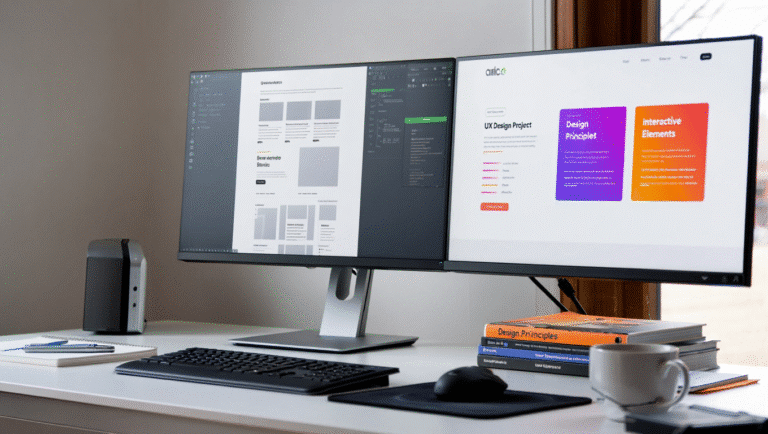
Typography plays a critical role in creating an aesthetically pleasing website. It enhances the user experience, creates a visual hierarchy, and communicates brand personality. According to a Good Firms survey, 61.5% of web designers use expressive typography to create engaging websites that attract consumers. However, with countless fonts to choose from, and the importance of making design decisions with intention, it can be overwhelming for designers to select the right typography for their projects.
This blog post breaks down the fundamentals of typography, such as font styles, sizes, pairings, and hierarchy, and offers practical tips for using typography to create visually engaging websites. By mastering these fundamentals, designers can craft websites that look great and effectively communicate their content.
Exploring the Types of Fonts and Their Uses
If you’re looking to create a website or any other design project, understanding the basics of typography is vital. Fonts are much more than just a fancy style of writing; they can evoke emotions, convey a message, and ultimately make or break the success of your project. From serif to sans-serif, script to display, each font type has unique characteristics and practical applications. For instance, sans-serif fonts are the most used web-safe fonts, with 85% of websites incorporating them.
Utilizing Kerning, Tracking, and Leading to Optimize Typography Design
Typography can make or break a website’s design. Using typography effectively is essential for creating a visually appealing and engaging visitor experience. This is where kerning, tracking, and leading become critical:
- Kerning: Adjusting the spacing between individual letters or characters to improve visual harmony.
- Tracking: Adjusting the spacing across an entire word or block of text to ensure consistency.
- Leading: Managing the vertical space between lines of text to enhance readability.
Mastering these elements enhances the readability and aesthetic of your website, helping it stand out in a crowded digital space.
Incorporating Web-Safe Fonts for Cross-Browser Compatibility
Choosing the right fonts significantly impacts your website’s aesthetic and readability. However, ensuring compatibility across different browsers is just as crucial. Web-safe fonts, such as serif, sans-serif, monospace, fantasy, and MS fonts, guarantee that your website will look consistent across all browsers. Incorporating these fonts into your layout ensures a seamless user experience regardless of the platform or device.
Selecting Font Families That Pair Well Together
Typography is a core element of website design that enhances user experience. When selecting font families, it’s essential to focus on aesthetic appeal, readability, and accessibility. Well-paired fonts create a cohesive and professional look that draws users in and keeps them engaged. A carefully planned typography strategy elevates your site’s professionalism and boosts user engagement.
FAQs About Typography in Web Design
- Why is typography important in web design? Typography enhances user experience, establishes visual hierarchy, and communicates brand identity effectively.
- What are web-safe fonts? Web-safe fonts are font families that display consistently across different browsers, such as Arial, Times New Roman, and Courier New.
- What’s the difference between kerning and tracking? Kerning adjusts spacing between individual characters, while tracking modifies the space across a word or text block.
- How do I choose font pairings for my website? Choose complementary fonts with contrasting styles, such as pairing a serif with a sans-serif for balance.
- What role does leading play in typography? Leading adjusts the vertical space between lines of text to improve readability and visual clarity.
- Can I use custom fonts on my website? Yes, custom fonts can be embedded using @font-face in CSS, but ensure they are optimized for web performance.
- How do fonts impact website performance? Fonts can affect loading times. Use web-safe or optimized fonts and minimize the number of font files.
- What is the most popular typeface for websites? Sans-serif fonts like Arial and Roboto are widely used due to their clean and modern appearance.
- Why is font hierarchy important? Font hierarchy guides the reader’s attention and improves the clarity of your content.
- How do I ensure accessibility in typography? Use legible font sizes, sufficient color contrast, and readable line spacing to make your content accessible to all users.
Ready to Transform Your Website with Stunning Typography?
Typography is more than just text, it’s an art form that shapes how users interact with your site. Whether you’re revamping your website or starting from scratch, applying these typography principles will elevate your design.
Let’s make your website unforgettable. Contact us today to get started!